Note: Some articles belong to one site. These belong to all of them. Superconnectors are pieces written at the intersections. Where opera meets product thinking, where walking meets AI, where the archive meets the self.
There is a peculiar dissonance in spending twenty years designing for other people's attention while quietly losing your own. I've spent most of my professional life inside the machinery of engagement. Metrics dashboards where a human being becomes a session duration. Editorial systems optimized for return visits. Product decisions made in service of the click, the scroll, the dwell. I understood the logic. I was often good at it. And somewhere along the way, without quite noticing, I became subject to the same forces I was deploying on everyone else.
This isn't a confession, but more of a long-term structural observation. The attention economy doesn't make exceptions for the people building it. You can understand exactly how the trap works and still find yourself in it.
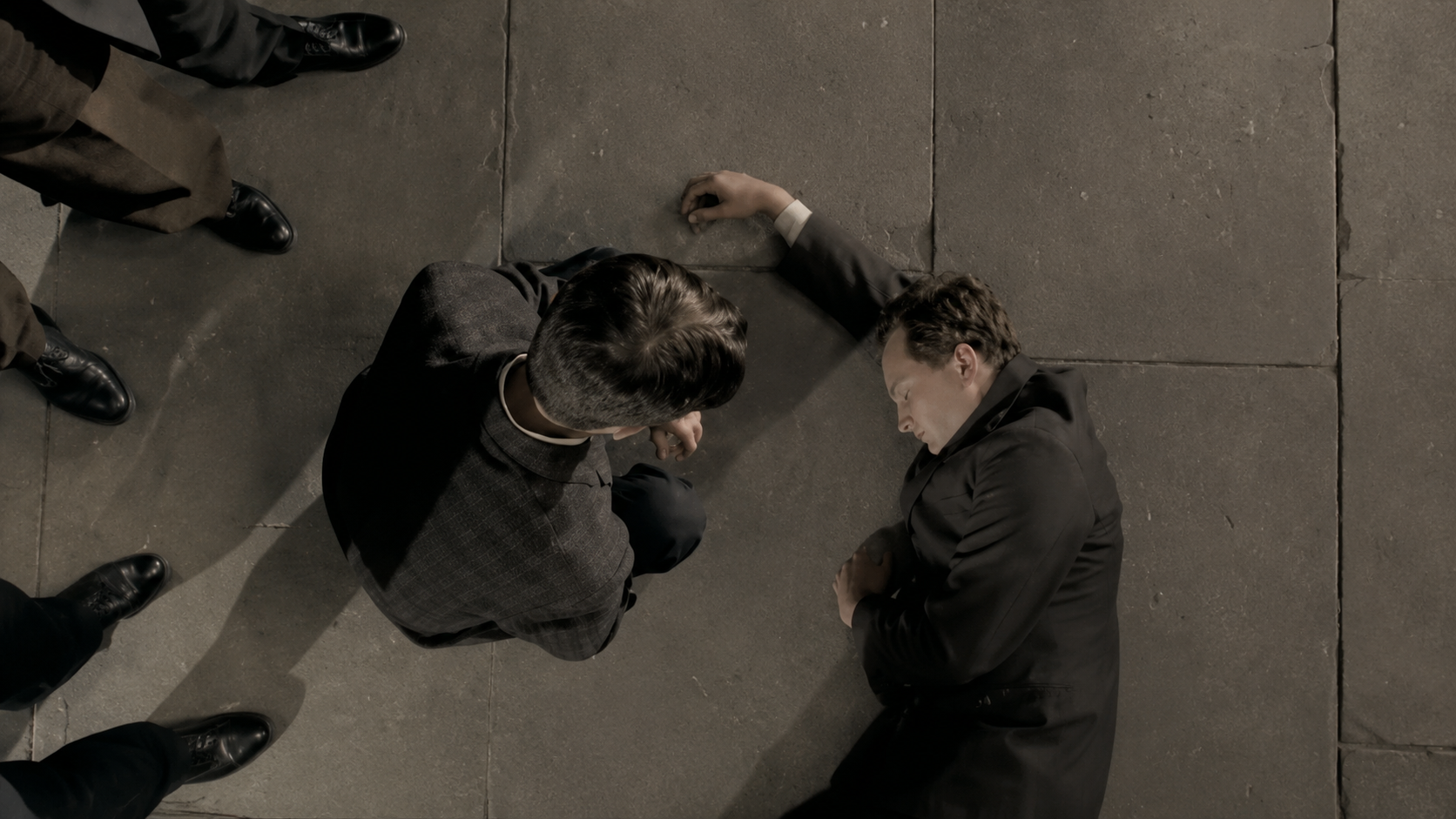
The Expert Who Can't Stop
There is a particular form of professional capture which happens when your expertise becomes the air you breathe. The sommelier who can no longer drink wine casually. The architect who cannot enter a room without interrogating the sight lines. The psychologist at the dinner party who starts noticing everyone's attachment styles.
Working in digital for long enough produces something similar. You develop an almost involuntary sensitivity to the mechanisms of attention. You notice the notification that arrives at exactly the right moment. The infinite scroll which removes the natural exit. The headline engineered to produce just enough anxiety to compel a click. You see all of this clearly. And you keep scrolling anyway. The expertise doesn't protect you. If anything, it makes the trap more insidious, because you can narrate your own capture in real time while doing nothing to escape it.
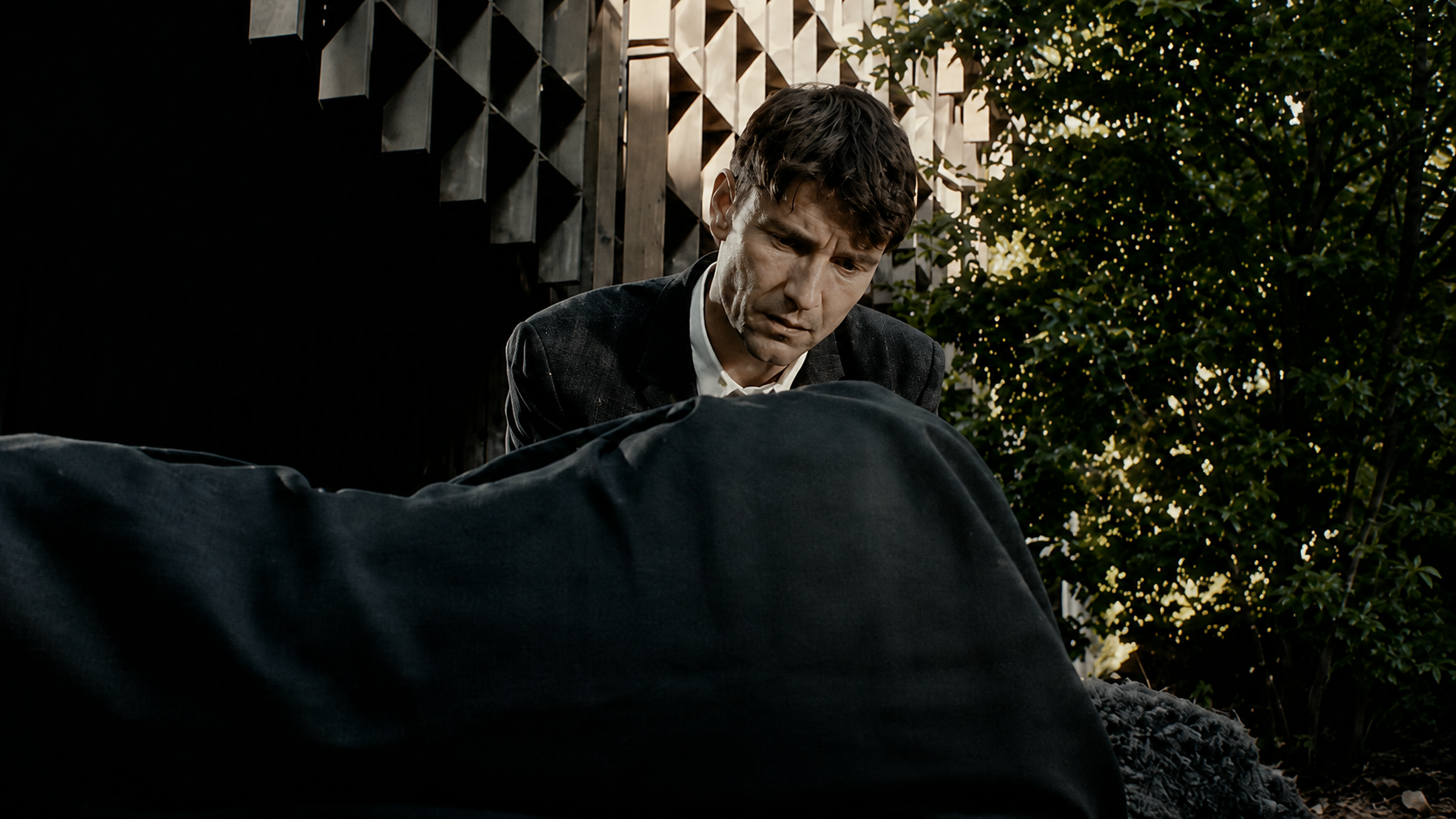
What Thirty Years Actually Looked Like
I came up in the late nineties, when the promise was still essentially utopian. The internet as the great democratizer of attention. Everyone's voice equally amplified. The long tail. The death of gatekeepers. Those of us working inside these systems genuinely believed we were building something expansive. What we actually built, incrementally and without quite intending to, was an extraordinarily efficient machine for fragmenting consciousness.
Not through malice. Through optimization. Every small product decision pointing in the same direction. More engagement, longer sessions, higher return rates. The cumulative effect of a thousand reasonable decisions made in service of those metrics is a media environment that treats human attention as a resource to be harvested rather than a capacity to be protected. I've made those decisions. I stand behind most of them in context. What I couldn't see at the time was the aggregate.
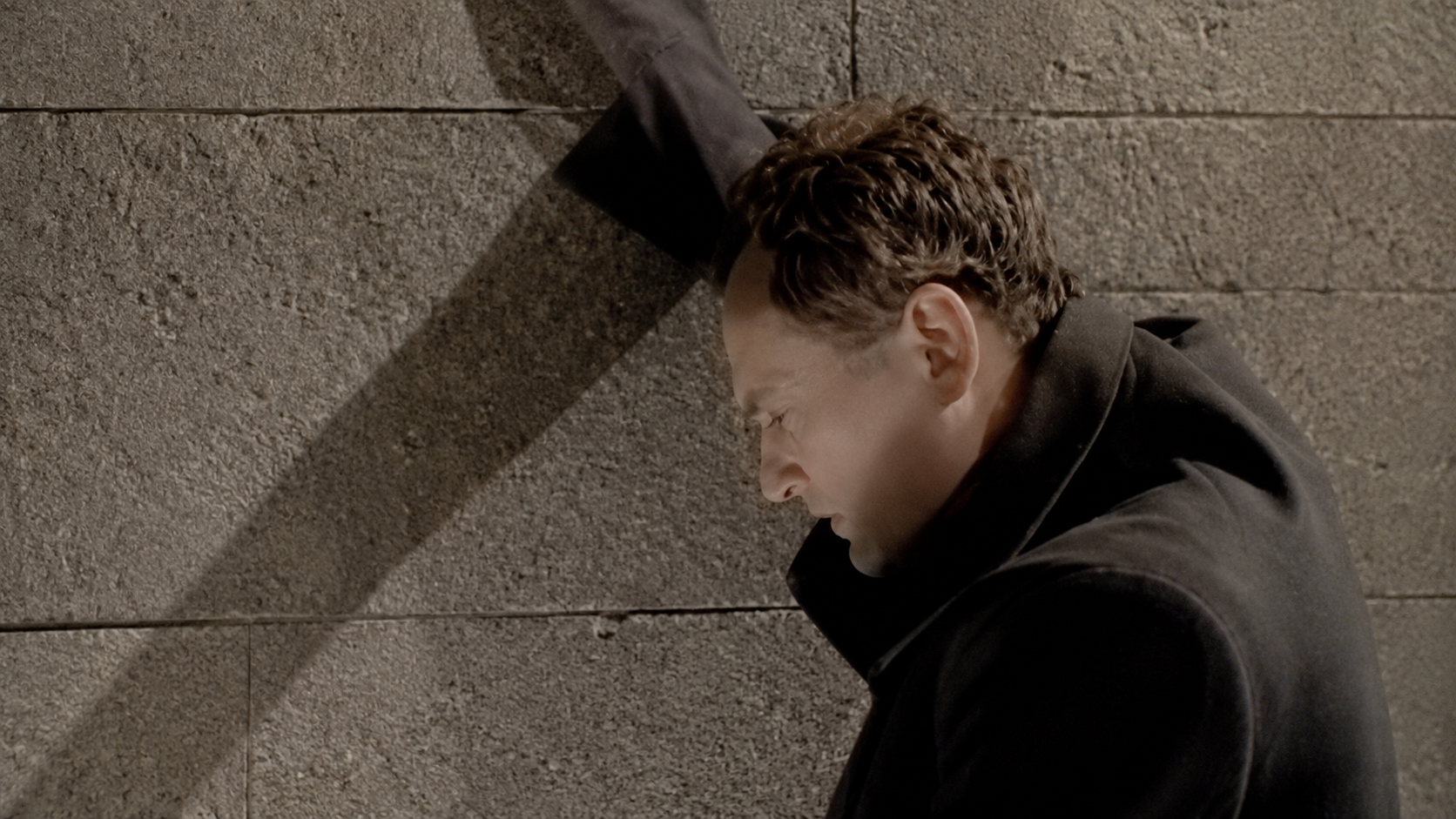
The Walker as Counter-Evidence
The Wagner-in-New York project AufbruchMatt began, in part, as an experiment in deliberate inattention to everything the systems wanted me to attend to. Three hours walking. No feeds. No notifications. Music scored to a route through the city. Attention directed outward and downward and into the immediate texture of the street.
What I discovered was not enlightenment but contrast. The walk made the difference visible. I could feel, afterward, the way ordinary digital time operated on me. The low-grade vigilance, the perpetual present tense, the sense that something important might be happening just out of view. The walk offered something different. A quality of presence which felt earned rather than manufactured. The walking practice is not an escape from the attention economy. It's a diagnostic tool. A way of establishing, on a weekly basis, what attention feels like when it hasn't been processed.
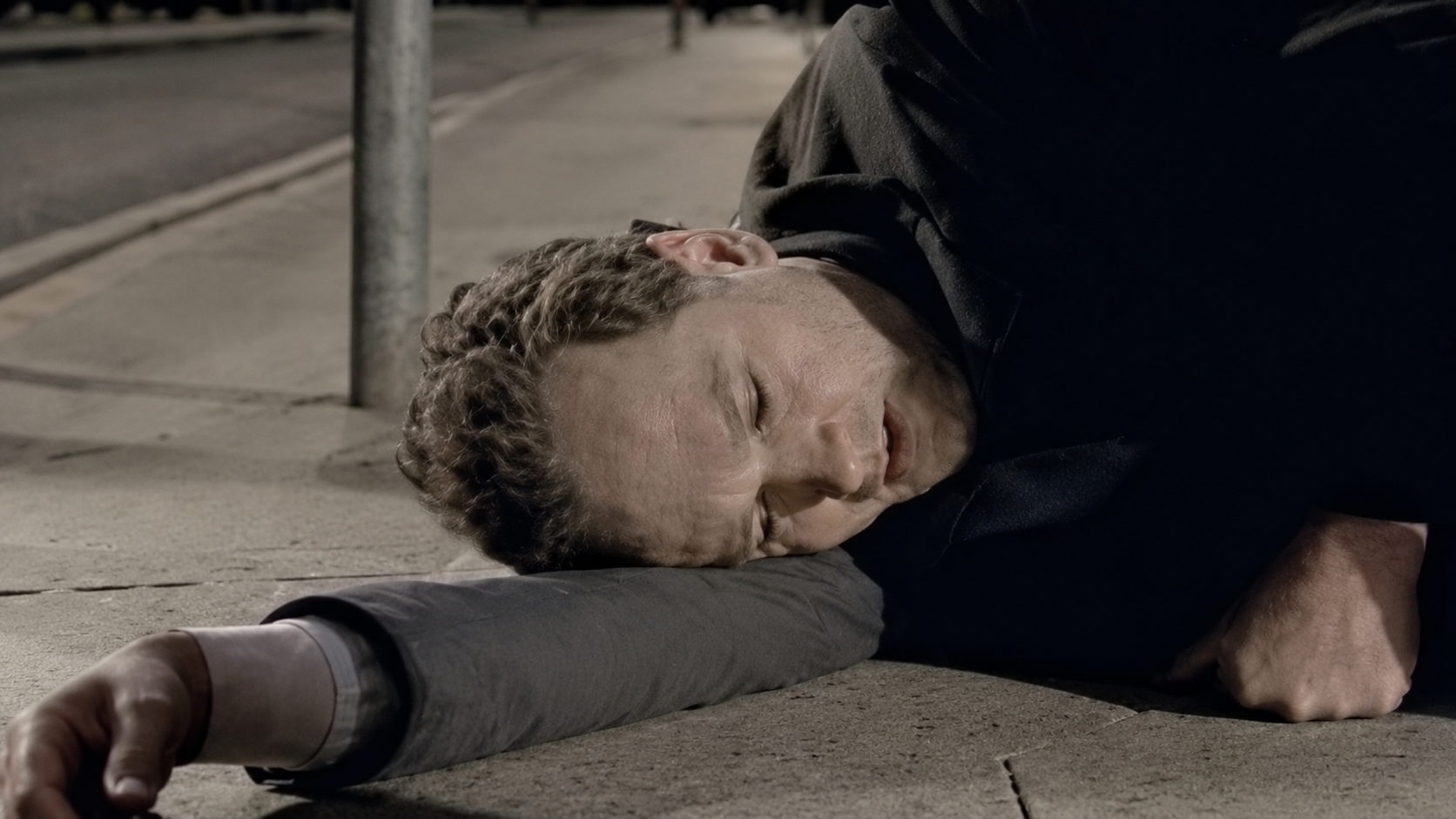
Designing Against Yourself
The question I've arrived at, after thirty years of working in this space, is whether the skills developed inside the attention economy can be turned to different ends. Whether the same understanding of how engagement works might be used to design experiences which expand rather than narrow. Systems that produce presence rather than vigilance. Interfaces which leave you more whole than they found you.
I think the answer is yes. But it requires a decision to optimize for something other than what the metrics reward. Which is, in the current environment, a genuinely radical and often impractical act. The attention economy of one is simply the decision to treat your own attention as the thing most worth protecting. Not as productivity. Not as focus. As the medium through which everything meaningful actually arrives.
Latest Articles