Presence Is the Product: The Case for Smartphone-Free Park Days
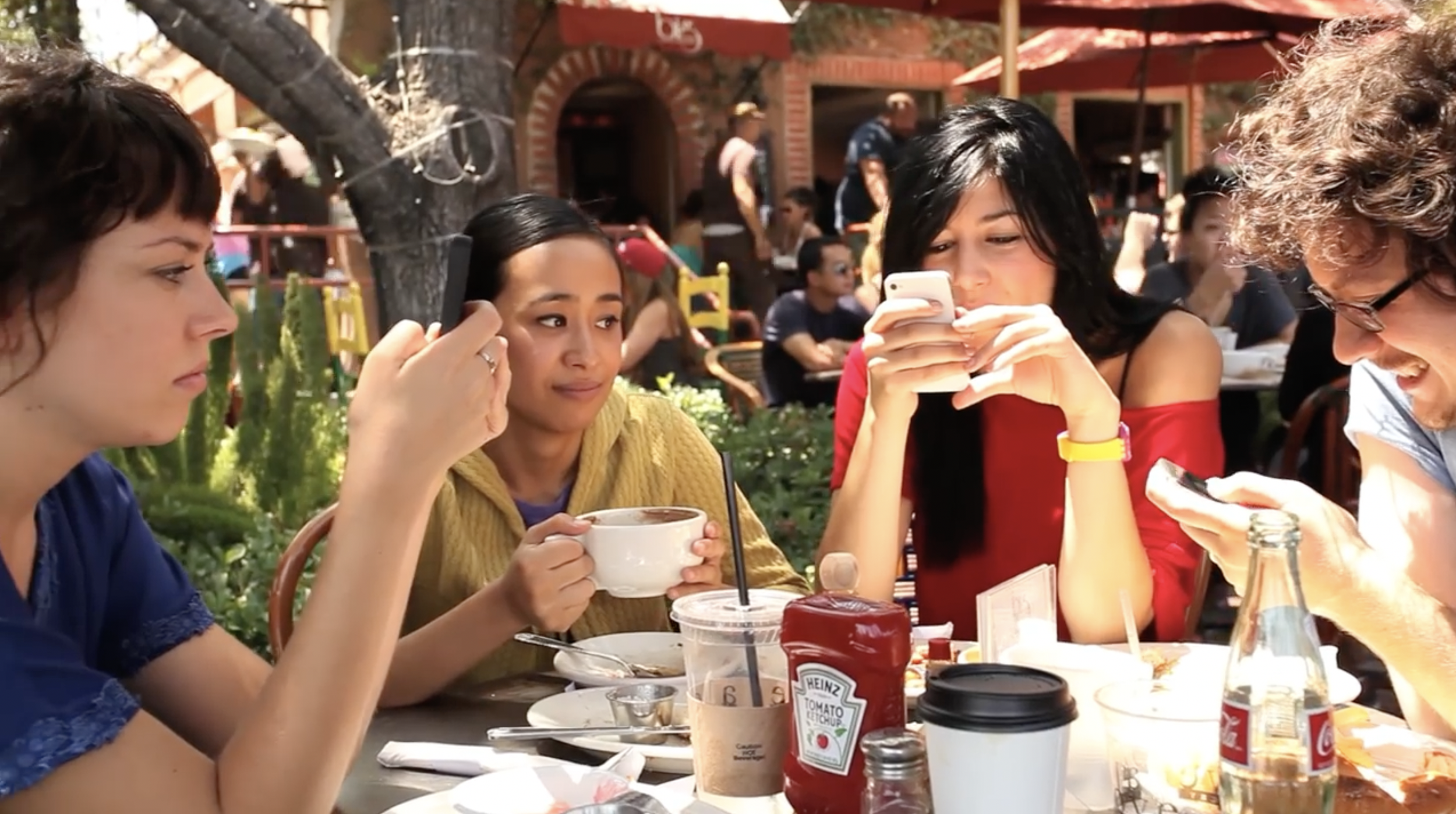
The smartphone is the most successful device ever invented for turning being somewhere into being elsewhere. And a theme park, especially one engineered as tightly as the Magic Kingdom, depends on the opposite condition. A participant whose senses are available, whose attention is local, whose body is allowed to move through crowds and cues without constantly splitting itself into a second life behind glass.
Theme parks were designed in an era when waiting was not yet a problem to be solved with micro-optimization. It was part of the choreography, not the attention economy. The park did not merely contain rides. It contained intervals. The slow turns of a queue, the ambient hum of music, the overheard family lore, the sudden sightline which opens onto a castle. Even frustration had a place. It could be metabolized into anticipation. It could become story. The smartphone reclassifies those intervals as failures. It treats every unproductive minute as an error state and offers its usual remedy, the empty calories of synthetic connection. But this connection is a kind of attention debt. It must be serviced continuously, and it is serviced by withdrawing attention from the one environment you cannot replay. The present.
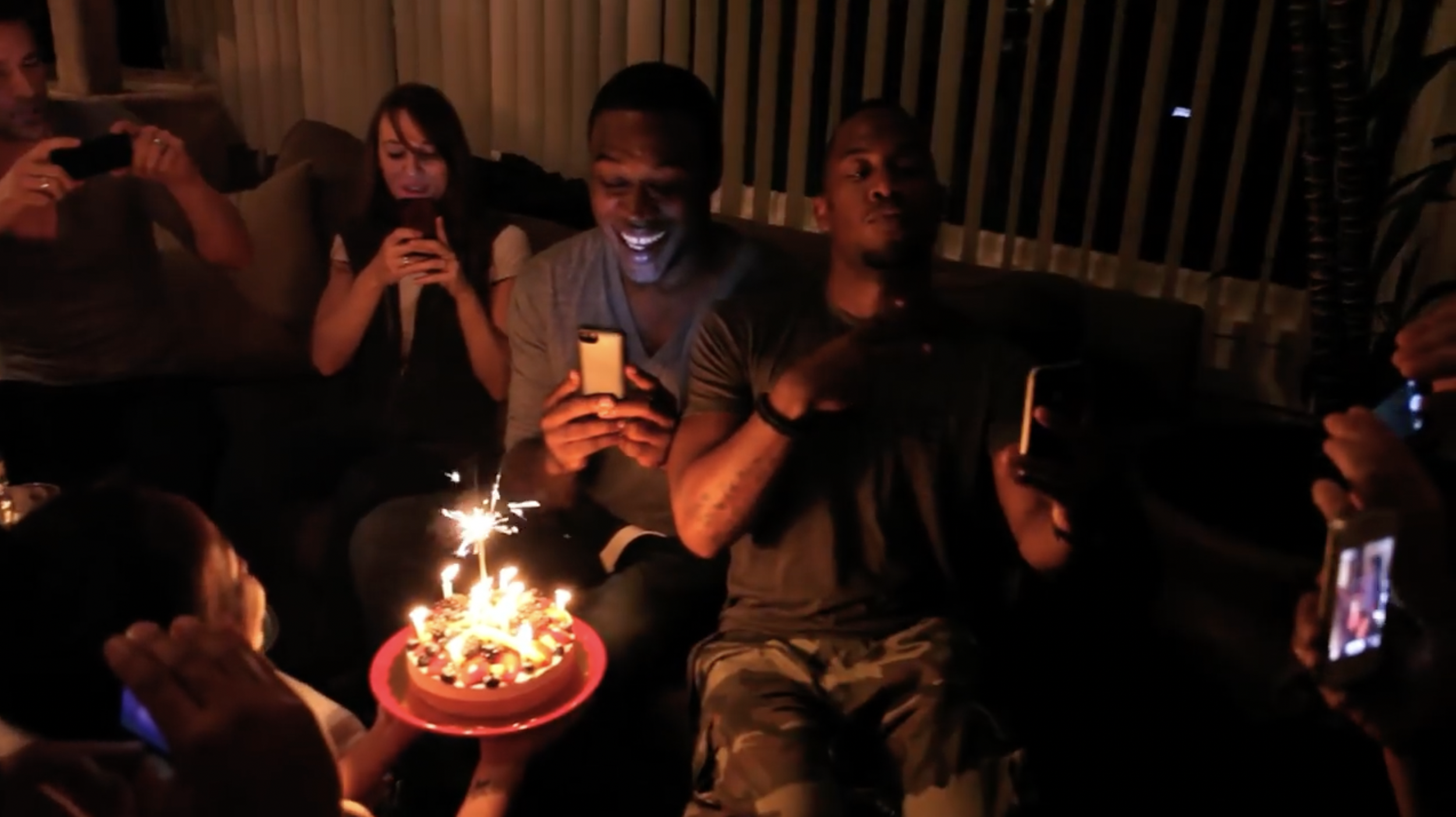
A theme park is a controlled ecology of cues. Everything is a signal. Signage, landscaping, forced perspective, background score, scent, light. Presence is not some spiritual garnish. It is the mechanism by which the park works. When your mind is in the park, you are susceptible to its intended pleasures. Surprise, wonder, a softening of cynicism, a willingness to be moved by something that is, in one sense, obviously constructed. Smartphones short-circuit that susceptibility. They take the designed environment and break it into content. The castle becomes a backdrop for proof of life. The parade becomes a clip. The family becomes an audience for documentation rather than a group moving through an experience together.
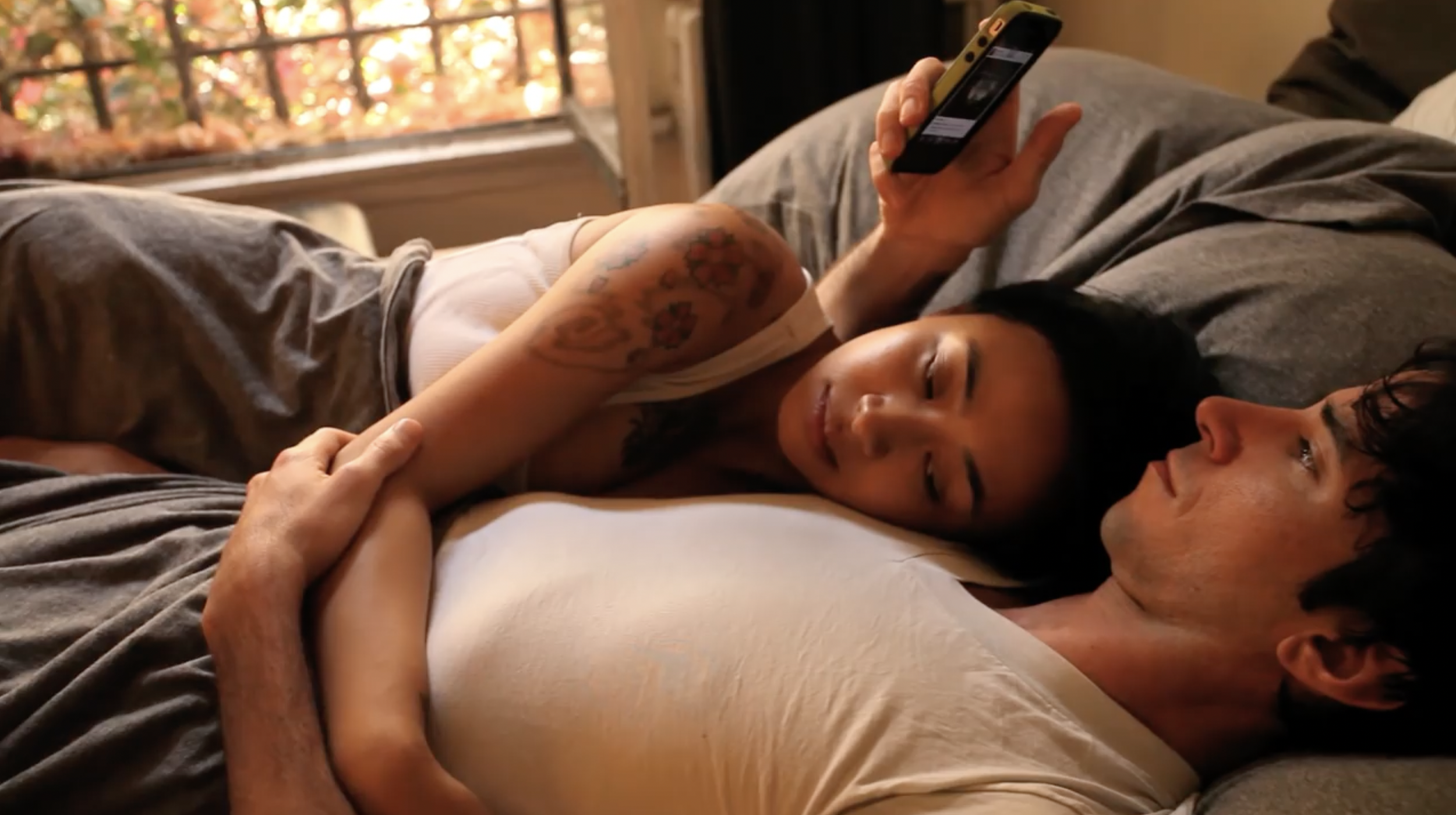
Such connectivity produces a subtle but decisive shift in posture. The body is present, but the person is not fully there. You watch the fireworks while simultaneously checking the ride app, scanning a group chat, rereading a work email, or measuring whether the moment is post-worthy. Even when the phone is used for ostensibly park-related tasks, it imports the logic of elsewhere into the here, but not the here and now. You are no longer in an unfolding day. You are in a dashboard of options. That is not neutral. It changes the emotional texture of the experience from immersion to management.
Nowhere is this clearer than the queue. In the pre-smartphone queue, boredom was a shared condition. People looked around. They learned the micro-sociology of the line. Which families were patient, which were melting down, which were silently staging a private negotiation about snacks and bathrooms. Parents invented games. Strangers traded small courtesies. Children rehearsed excitement in ways which were socially visible. The line, for all its inconvenience, had a communal grammar.
The smartphone privatizes and falsely extricates us from the queue. It turns a public interval into a series of sealed individual capsules. Each person becomes their own entertainment system. And the resulting quiet is not always peace. Often it is a thinning of social reality. Instead of learning how to wait as a group, how to regulate impatience, how to make small meaning in constrained time, people dissolve into feeds. You can watch this happen at scale. A line full of bodies, and almost no eye contact. The park’s social fabric becomes transactional. The queue stops being a place where the day is happening and becomes a holding pen where nothing is happening until the phone decides it’s time to re-enter the shared world.
This matters because waiting is not merely a logistical inconvenience. It is a psychological process. Anticipation is a form of pleasure. The brain uses waiting time to build expectation, to rehearse what’s coming, to make a reward feel earned rather than merely delivered. When waiting is anesthetized by a stream of unrelated stimuli, the ride can land flatter. You have not been carried there. You have been distracted there. The day becomes a sequence of abrupt transitions between screens and sensations, which is a recipe for fatigue which feels strangely unearned. You are exhausted and frustrated without having fully lived the day you paid for.
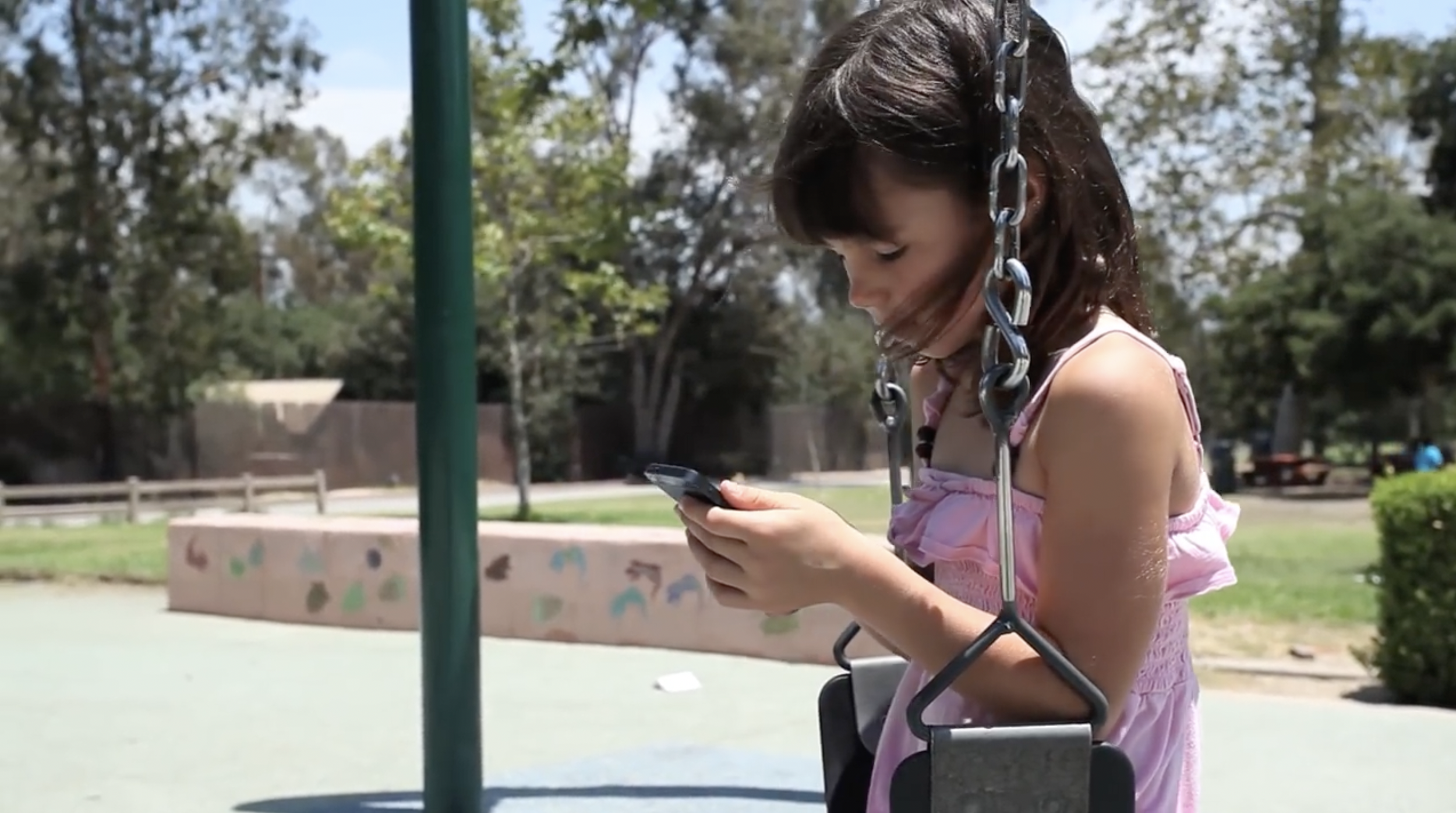
And then there is the child with a smartphone in the Magic Kingdom, which is perhaps the most poignant image of our time. A place meticulously designed to capture a young imagination, where all too often a young imagination is found scrolling through something made elsewhere. This is not a moral panic about kids these days. It is a systems observation. The phone offers the child an environment which is more controllable than the park. It can be personalized, immediate, frictionless, algorithmically flattering. It offers the simulation of friend proximity. The park, by contrast, has heat and crowds and unpredictable delays and the demand of social co-ordination. When those conditions rise, the phone becomes an escape hatch. But the escape comes at a cost. The child misses the practice of being with difficulty while still being with others.
Throughout the day you can see the pattern. Kids watching YouTube while walking, playing games in line, taking selfies which the latest mimic influencer templates, negotiating with parents not about what they feel but about what they want to capture. In the most literal sense, the park is competing with an infinite entertainment machine. But the deeper issue is that the phone trains an attentional style which is poorly matched to wonder. Wonder requires a certain slowness, a willingness to be impressed, a capacity to notice the peripheral. Algorithmic content trains the opposite. Rapid novelty, constant comparison, the restless hunt for the next hit. The park cannot and should not win that competition, because the park’s value is precisely that it is finite, embodied, shared, and real.
Theme park apps are the clearest institutional admission that smartphones have become central to the experience. They promise convenience. Booking ride times, mobile ordering, reservations, maps, wait times. On paper, these are reasonable tools. In practice, they introduce new layers of anxiety. The park becomes a live cutthroat market. Thousands attempt to secure the same scarce resources at the same time, refreshing the same screens, reacting to the same shifting availability for the desired Lightning Lane. The app does not merely inform you. It recruits you into optimization. Your anxiety is the oil upon which it runs.
Optimization is a peculiar kind of stress because it never ends. There is always a better move, a more efficient route, a smarter time to refresh, a cancellation you might catch if you keep checking. The app converts the day into a strategy game where the prize is not joy but getting it right. Even when you are doing well, you feel the pressure of what you might be missing. Even when you are resting, you feel guilty for not managing. What is next. Always what is next. This is how convenience becomes compulsion. The tool which was supposed to reduce uncertainty becomes the engine of continuous vigilance.
Under these conditions, the theme park stops being a narrative and becomes a spreadsheet with weather. You feel less like a guest and more like an air traffic controller. And because everyone else is doing it, the arms race intensifies. The park becomes an arena of comparative advantage. Who knows the tricks, who has the fastest fingers, who will tolerate waking early to grab a slot, who will endure the cognitive load of constant checking. It’s the vacation hunger games that’s anything but a vacation. This is a loud way of making leisure feel like work. The phone carries the office into the park not because you are reading emails, but because you are adopting the office’s posture. Monitor, optimize, schedule, execute.
A smartphone-free park day is therefore not nostalgia. It is a deliberate intervention in attention and nervous system regulation. It chooses the older logic of the park. To be guided by what you see rather than what you can secure. To accept some waiting as part of the texture. To let the day have inefficiencies which become memories. To allow your group to be a group rather than a set of individuals coordinating through screens while standing shoulder to shoulder.
This does not require purism. It can be designed as a practice. Turn the phone off and keep it sealed for emergencies. Use a printed map. Decide a few anchors for the day rather than a minute-by-minute plan. Accept that you will not do everything, and treat that as a feature, not a failure. When you remove the app’s market logic, you restore the park’s narrative logic. The day becomes a sequence of lived scenes rather than a set of conquered tasks.
The deeper argument is ethical. Theme parks sell an experience, but what they are really offering is a temporary alternative attentional economy. They ask you to trade your ordinary world of demands and notifications for a world of staged immersion and shared movement. Bringing a smartphone into that world without constraint is like bringing a megaphone into a chapel. You can do it, but you have changed the conditions for everyone. Including yourself. I argue that smartphone-free days unlock a new level of joy for park visitors which our phones have stolen from us. Without our phones we can all become kids again.
A smartphone-free park day is an act of resistance against the default assumption that every moment must remain connected to every other moment. It is a choice to let a day be only itself. And in a life increasingly lived through screens, that choice is not quaint. It is radical. It is the difference between having a day at the Magic Kingdom and merely producing evidence that you were there.
Further Reading


Latest Articles