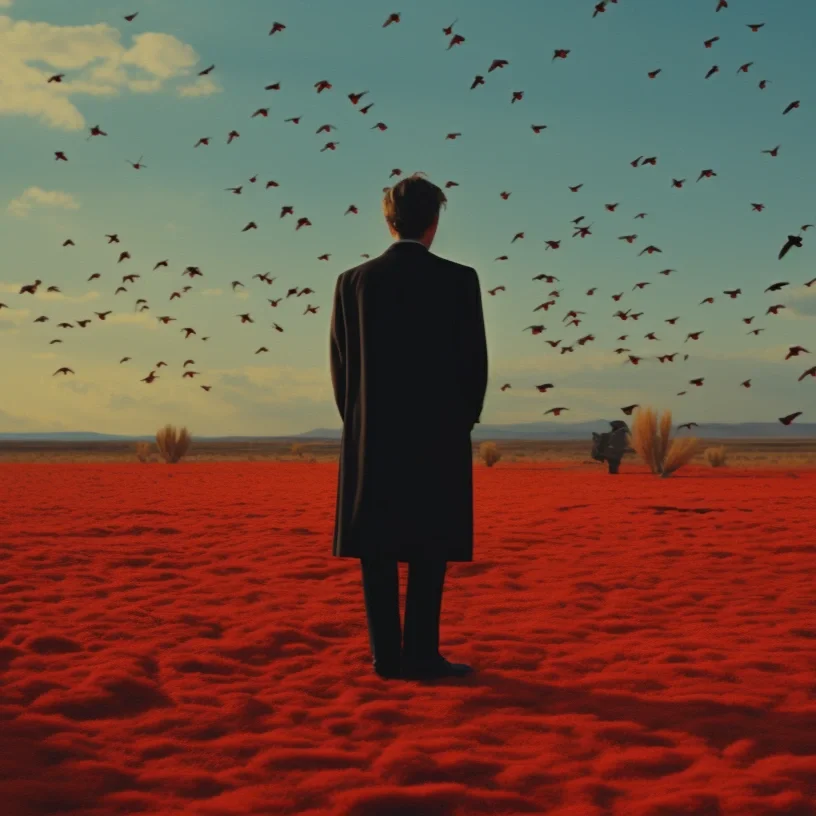
Everything Is Atmosphere: The Quiet Work of Staying Whole in a Culture Engineered for Fragments
There is a particular kind of loneliness that has nothing to do with being alone. A piece of music heard while crossing the Staten Island Ferry at dusk. The emotional texture of Manhattan after rain. Stepping out of Rockefeller Center at 5:30pm in winter light while Wagner's Lohengrin prelude swells in your headphones. A conversation which permanently transforms a familiar street into an emotional landmark.
Most of life's meaning lives in these invisible connective tissues. And few of our systems are designed to preserve them. I've been slowly arriving at the conclusion that everything I've been building across walking, opera, archives, news, artificial intelligence, is really the same project approached from different angles. The question underneath all of it. How might you preserve continuity inside a culture optimized for fragmentation?
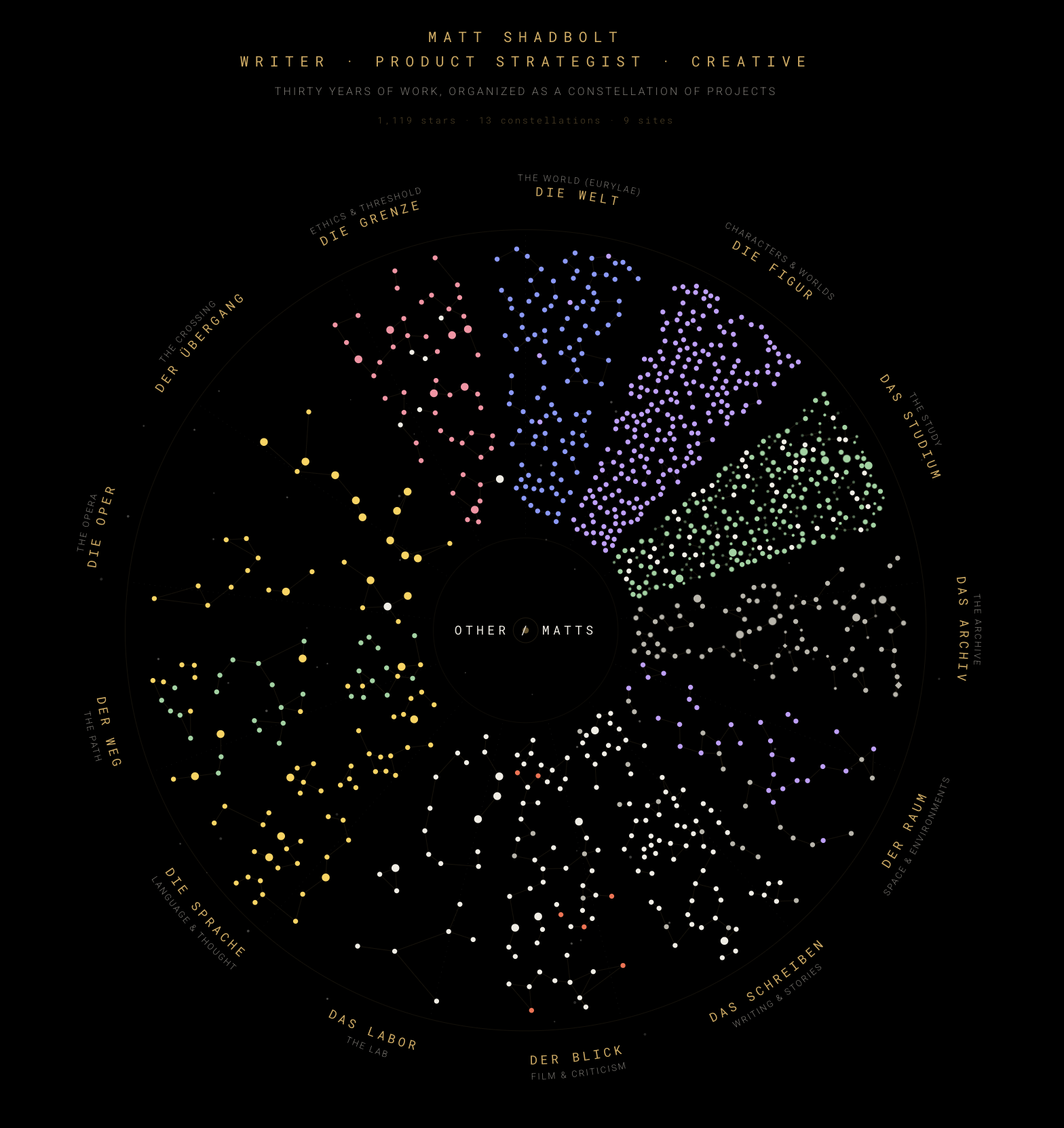
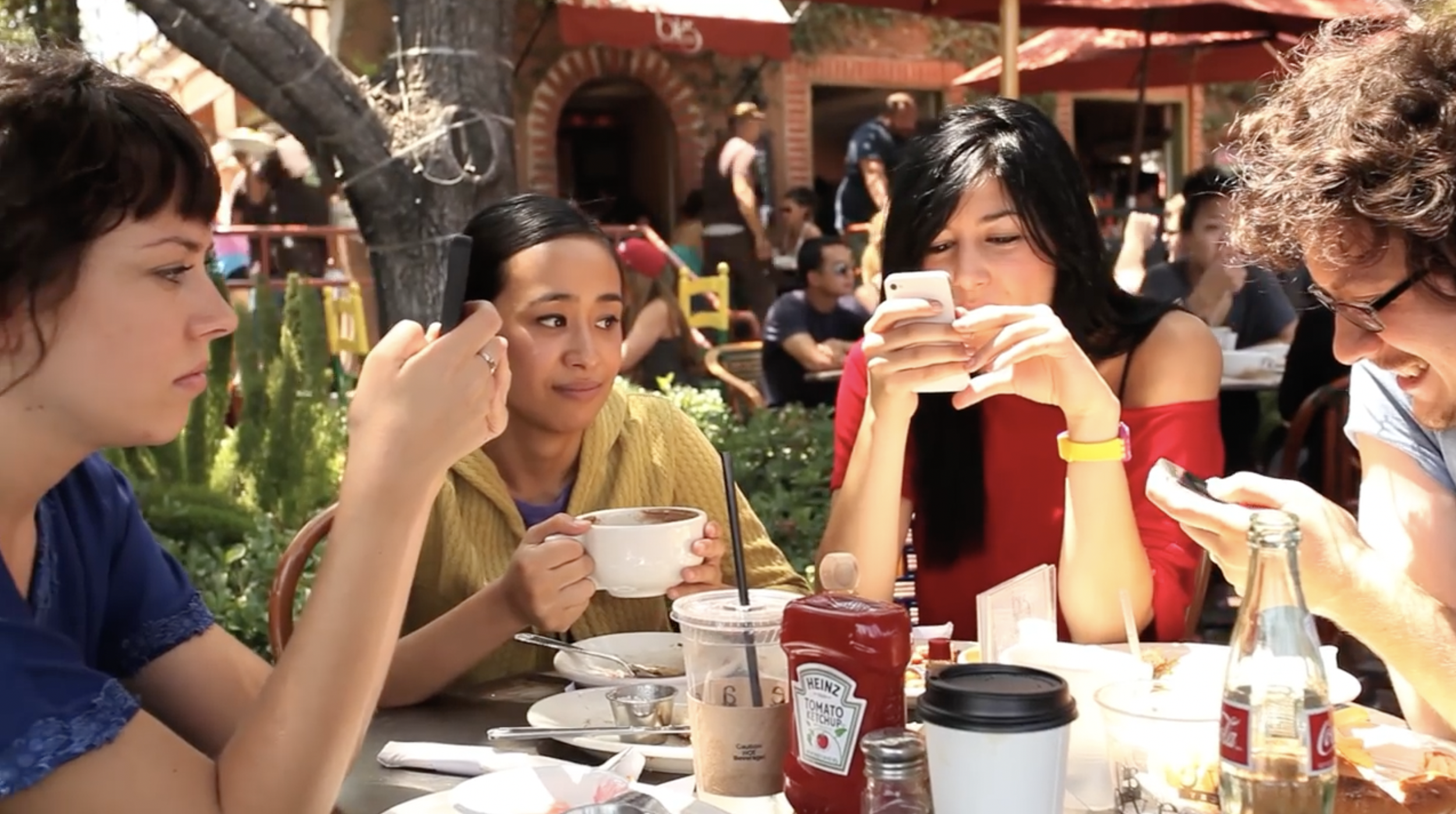
Modern life, especially modern digital life, is extraordinarily efficient at dissolving coherence. Work becomes abstracted into tickets. Media becomes streams. Cities become logistics infrastructure. Memory becomes feeds. Even identity starts to fragment across platforms, roles, contexts. A different version of yourself rendered in each interface, none of them quite whole.
The deepest experiences don't arrive that way. They arrive atmospherically. Bound up with weather, architecture, music, grief, season, and time simultaneously. A single perceptual moment carrying enormous freight. What happens when your systems can't hold that?
This is something I think about in my product work. There's a habit of separating hard domains from soft ones. Strategy versus morale, infrastructure versus culture, systems versus emotion. I've stopped believing those distinctions are real. Systems generate emotional realities constantly. Information architecture shapes cognition. Interface design shapes trust. Organizational structure shapes anxiety. News products shape the emotional horizon of everyone who reads them. We are always designing emotional conditions. The question is whether we're doing it consciously.

When I think about news, I'm not primarily thinking about content delivery. I'm thinking about psychological environments. What kind of information architecture narrows human possibility? What does it do to prospection, the capacity to imagine a meaningful future, when an entire ecosystem optimizes for vigilance, outrage, and perpetual reactive present-tense consumption? What emotional postures toward the future does that produce over time?
This is partly why I've become drawn to ritual as designed continuity. Walking rituals. Seasonal rituals. Listening rituals. Structured experiences which resist flattening. The Wagner-in-New-York project looks, on the surface, like an opera project. Underneath it is an attempt to restore texture and symbolic depth to daily life. A commute becomes something else entirely when it's deliberately staged as an emotional and intellectual experience. The city changes. Time changes. Attention changes. You're no longer moving through infrastructure, you're inhabiting atmosphere. An archival obsession comes from the same place. It reinforces, I lived.

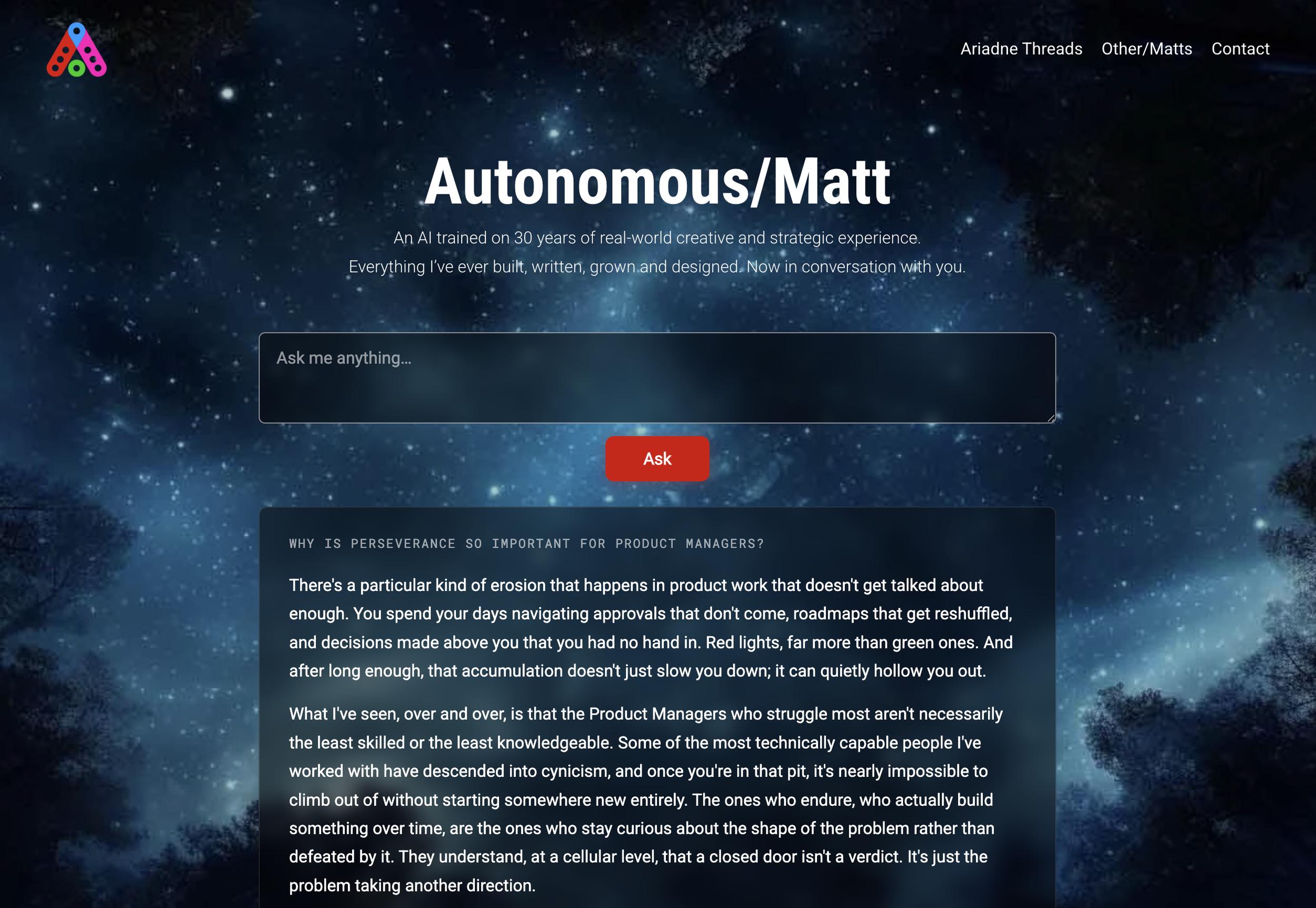
An archive isn't storage. At its best, it's a continuity system against disappearance. We produce enormous amounts of thought while simultaneously making almost all of it inaccessible. Essays dissolving into timelines, conversations vanishing into feeds, intellectual histories buried beneath chronology. What I've been building with Ai recently is largely an attempt to push against this disappearance. What if accumulated thinking remained active and interactive? What if archives became conversational rather than static?
I suspect my interest in AI has less to do with automation than with memory. Which is also why small interface details increasingly matter to me emotionally. A visible thinking state in a chatbot. A pause that feels inhabited rather than dead. These aren't flourishes. They're the difference between a system that feels connective and one that feels alienating. The emotional architecture is in there whether you designed it deliberately or not.
The loneliness I know comes from perceiving these hidden architectures and finding it difficult to stop. You start noticing how interfaces shape mood. How organizational structures propagate anxiety. How media ecosystems influence temporal imagination itself. You begin experiencing culture not informationally, but atmospherically. That can feel isolating. Most of what surrounds us is organized around functionality rather than meaning. But if emotional realities are shaped by systems, then systems can be redesigned.
That's my bet, anyway. That aliveness is designable. Not productivity, not optimization, not engagement, but genuine aliveness. Experiences which expand perception rather than narrowing it. Systems that create resonance rather than exhaustion. Technologies that deepen continuity rather than accelerating scatter. The projects are all attempts to find out whether that bet is right.
Further Reading


Latest Articles